


Blogs
A Deep Dive Into Male Masturbator Materials: Safety, Care, and Longevity

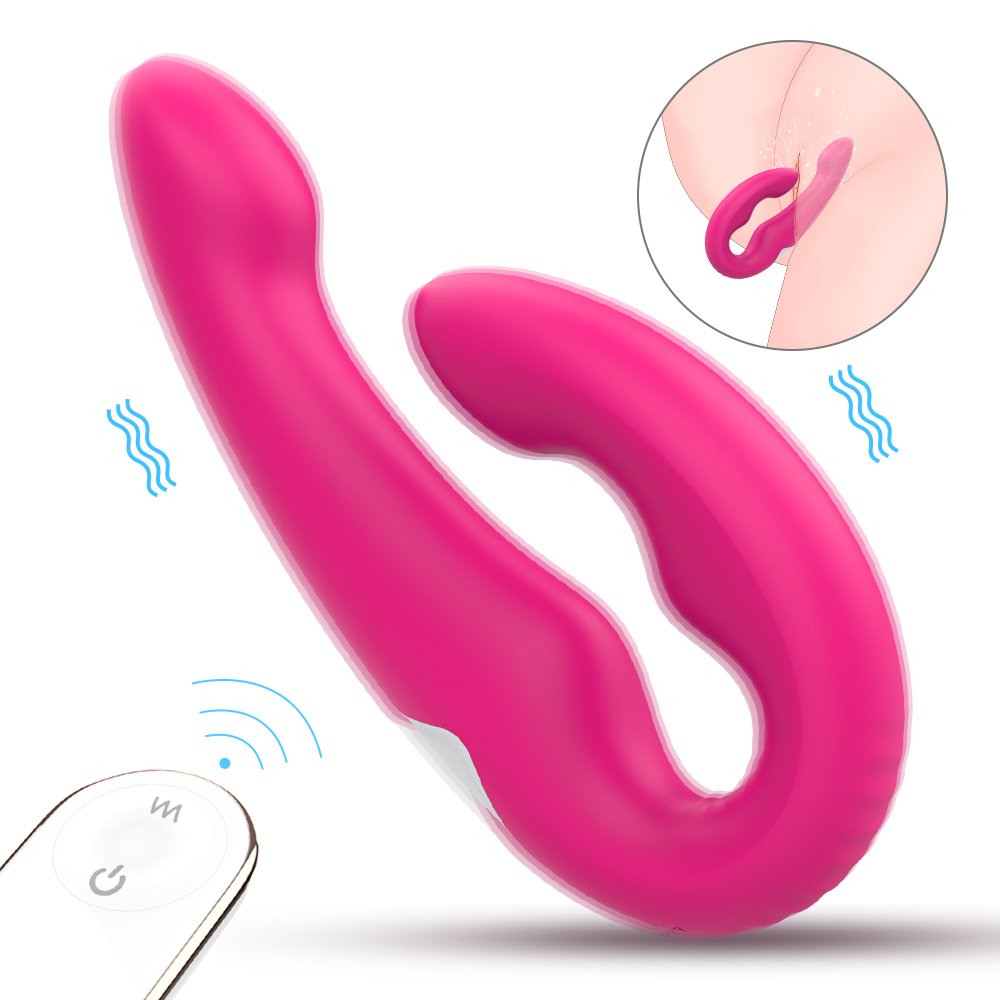
When it comes to male masturbators, texture and price often grab the spotlight—but the material is the unsung hero that defines everything from safety to longevity. Walk through any adult store or browse online, and you’ll encounter a dizzying array of terms: TPE, TPR, silicone, platinum-cure, FantaFlesh, CyberSkin. Some are specific materials with clear properties; others are just marketing jargon for proprietary blends. Choosing the wrong material can lead to anything from minor annoyances (sticky surfaces, persistent odors) to serious health risks (skin irritation, bacterial infections). Let’s cut through the noise and break down what you need to know.
First, let’s distinguish between the two key categories: non-porous and porous materials. Non-porous materials are the gold standard for safety because they don’t have tiny pores where bacteria can hide and multiply. The safest option here is platinum-cure silicone—it’s hypoallergenic, non-toxic, easy to clean, and can last 2-5 years with proper care. The only catch? You must pair it with water-based lubricant. Silicone-based lube will permanently damage silicone toys, ruining their texture and safety.
Porous materials like TPE (Thermoplastic Elastomer) and TPR (Thermoplastic Rubber) are more common in budget-friendly options, thanks to their ultra-soft, realistic feel. Proprietary blends like FantaFlesh and CyberSkin also fall into this category—they offer a lifelike texture that many users prefer, but they come with more maintenance requirements. Bacteria can easily colonize the tiny pores in these materials, so thorough cleaning and complete drying (5-6 hours minimum) are non-negotiable. Many users also use renewal powder to keep the surface from becoming sticky over time. Keep in mind that porous materials have a shorter lifespan—typically 6-18 months—before they start to degrade.
No matter which material you choose, proper care is essential. Here are some key tips: Always use dedicated toy cleaners or mild soap and warm water for cleaning. Avoid harsh chemicals like bleach, which can break down the material. Air-dry your toy completely before storage—never seal it in a container while damp, as this will cause mold and odors. For porous toys, store them separately from other toys to prevent cross-contamination. And replace your toy if you notice persistent odors (even after deep cleaning), sticky surfaces (despite powdering), cracks, tears, or unusual discoloration—these are signs the material is compromised and no longer safe.
At the end of the day, the best material for you depends on your priorities: safety and longevity (go with silicone) or realistic texture and affordability (opt for TPE/TPR with proper care). By understanding the basics of toy materials, you can make an informed choice that balances pleasure with peace of mind.
 SHD-S247
 SHD-S361-3
 SHD-S361-7
 SHD-S182-4
 SHD-S224-4
 SHD-S269-2
 SHD-S410-2
 SHD-S218-2
 SHD-S328-2
 SHD-S351
 SHD-S171
 SHD-S193-2
 280 New Light Wheat Color
 283 New Light Wheat Color